How to Fix the Samsung Odyssey G7 Screen Going Black with Firmware and Power Button Optimization
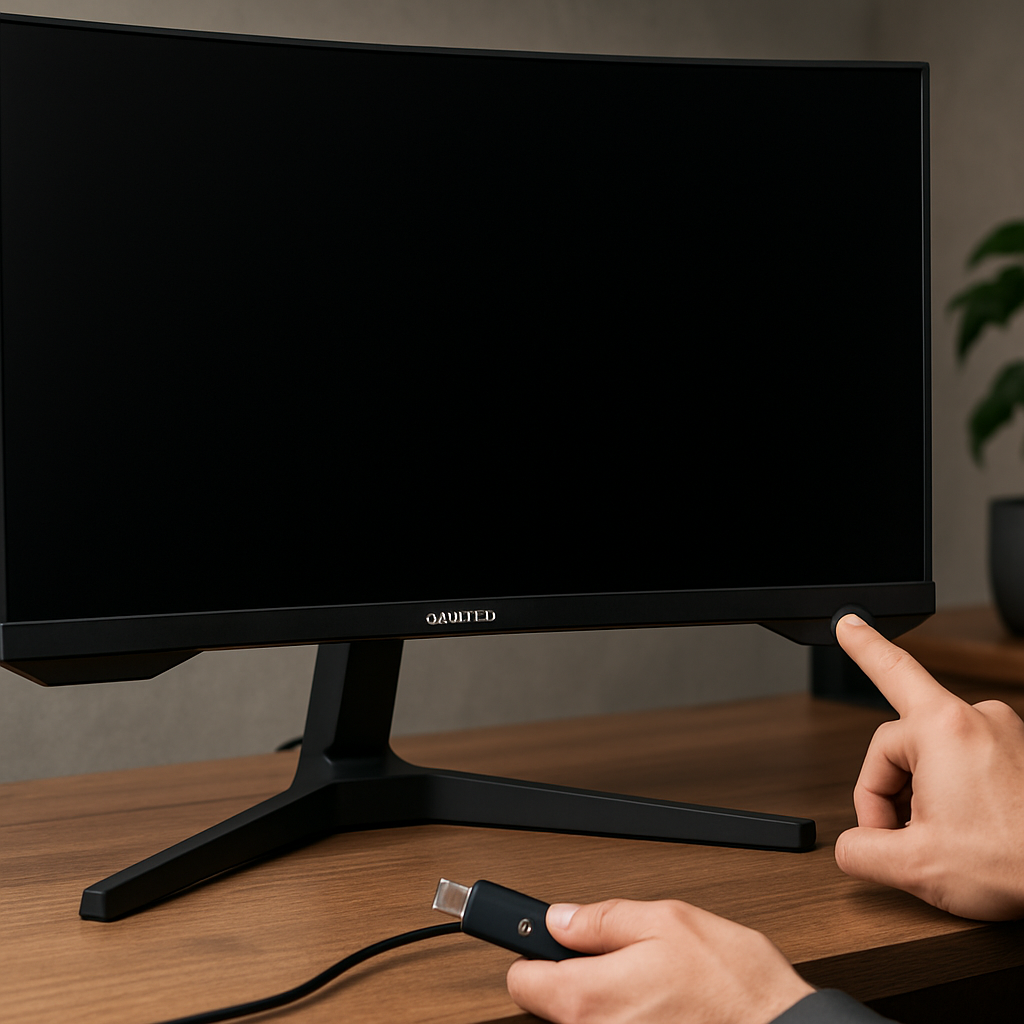
If your Samsung Odyssey G7 screen is going black unexpectedly, there are proven steps you can take to restore your display. Many owners face this frustrating scenario, but in most cases, you can resolve it by addressing firmware issues and hardware settings. A properly updated monitor and a careful check of the power button or related settings often make all the difference in fixing this common problem. Let’s walk through each solution to get your Odyssey G7 functioning as intended again.
Common Causes of Black Screen on the Odyssey G7 and Related Models
Many users have reported that their Samsung Odyssey G7, as well as some G9 and G5 models, can suddenly go black. This may be due to a failed firmware update, wattage problems, or a bug in the device's power settings. Occasionally, the issue is linked to the Display Stream Compression (DSC) implementation, which results in the screen going black or flickering. Awareness of these causes helps narrow down the troubleshooting process effectively.
The power button can also play a role—sometimes a minor switch setting or failure can reset the monitor and cause the screen to go black. Hardware faults like a dead TCON board, or a disconnected local dimming zone, further complicate troubleshooting if the standard fixes do not work.
Another overlooked factor is the impact of recent recall notices, wattage fluctuations, or the use of certain OLED and LCD settings that are not fully optimized for the G7's curvature and size. While rare, these scenarios remind us to consider both software and hardware aspects during diagnosis.
If you have experienced similar black screen symptoms on variants like the G9/G95NA, S49AG95, or G8 and G3 models, these steps largely apply as well. Screen issues such as random blackouts, backlight bleed, or even pixel refresh and burn-in are sometimes part of the broader problem set, especially when used with high refresh rate or HDR modes.
Updating Firmware to Address Random Black Screen and Flickering
The first and most effective fix is to check if your Samsung Odyssey G7 firmware is up to date. Firmware updates often resolve stability issues, signal compatibility errors, and bugs responsible for recurring black and white flickers, backlight dimming, and local zone issues.
Steps to update firmware:
- Go to the monitor’s settings menu using the on-screen display (OSD).
- Look for the firmware update section (often under 'Support' or 'Information').
- Connect the G7 via USB to your PC if manual update is needed or use the built-in wifi/PC interface.
- Visit Samsung’s official support site based on your region (Philippines, Mexico, Australia, etc.) to download the latest version tailored for your release date and model number.
Correct firmware improves the pixel refresh process, resolves HDR and local dimming zone issues, and can optimize 120hz or only 60hz performance modes, especially for those running the monitor with gaming consoles or advanced PC graphics cards.
For further instructions, you can check out the detailed video guide that demonstrates firmware update procedures step-by-step for the Odyssey G7 series.
Fixing Issues with Power Button and Local Settings
Unintentional black screens may sometimes be solved by addressing faulty or stuck power buttons, especially if the Odyssey G7 fails to wake or randomly shuts off. Check all hardware buttons for debris or electrical faults and confirm that all cables are secure and undamaged.
If your monitor is in 'standby' or won’t turn on, try holding the power button for at least 10 seconds to perform a hard reset. Disconnect the power cable for several minutes before plugging it back in. This technique can clear out corrupted temporary memory and restore normal functionality.
Some owners opt for a replacement, but in most instances, careful calibration and basic button troubleshooting restore normal operation. If nothing works, consider testing your panel on another system to rule out compatibility issues with wattage or pixel refresh settings.
Remember: using genuine Samsung power adapters and cables is critical, especially if you suspect wattage irregularities or varied power zone activation on larger models like the G9.
Factory Reset and Calibration Strategies for White Screen Anomalies and Pixel Problems
Performing a factory reset from the OSD menu can resolve persistent settings errors, calibration problems, and white screen flashes. After resetting, it is recommended to fine-tune brightness, color temperature, and HDR parameters to sidestep problems like backlight bleed or flickering local zones.
Here is how you can initiate a factory reset on your Odyssey G7:
- Access the OSD menu by pressing the center joystick or designated menu button.
- Navigate to 'Support' or 'General', depending on firmware version.
- Choose 'Reset' or 'Factory Reset' and confirm.
Once reset, carefully re-enter your preferred calibration settings for pixel refresh, local dimming, and HDR. Avoid running advanced pixel refresh cycles too frequently to prevent potential screen burn-in or dead zone artifacts.
If you encounter OSD menu failures or the screen remains black after a reset, remove the monitor stand and accessories, as improper mounting can sometimes affect internal connectors or cause panel misalignment.
Verifying Cable and Wattage Compatibility to Prevent Random Blackouts
Random screen shut-offs and flickers are often caused by an incompatible HDMI or DisplayPort cable, especially when pushing high refresh rates or using PIP mode. For the G7 and G9 models, use certified premium cables that match the bandwidth needed for your refresh and pixel demands.
If your screen goes black intermittently, lower the bit depth or refresh rate as a test measure, as recommended by the community on Reddit. Sometimes, optimization is not complete if your graphics card or operating system fails to fully support your panel's wattage demands or color channel width.
Additionally, test the monitor on another PC or try a different wall outlet to isolate the issue. On larger panels such as the S49AG95 or when using advanced features like HDR, incorrect wattage, or defective cables can cause dot anomalies or panel failures.
If all hardware checks out, consult your local Samsung warranty service or verify if your serial/model is part of any ongoing recall efforts that cover dead TCON boards or related display panel problems.
Advanced Fixes: Firmware Rollback, Local Dimming, and Community Support
If your Samsung G7 is still experiencing issues, try reverting to a prior firmware version (firmware rollback) if the latest update triggered the fault. Occasionally, factory calibration bugs or incomplete software optimization cause random shutdowns, flicker, and blackouts.
Disable advanced features like local dimming zones or HDR as a diagnostic test. Some G7 and G9 models show increased stability without these features enabled, depending on the specific hardware revision or power calibration needs.
Leverage active community resources, such as the official Samsung EU forums, to discuss symptoms unique to your geography (Australia, Mexico, Philippines) or for warranty-related recall updates. Reliable peer support can help in identifying patterns or solutions missed in the official documentation.
If you have replaced your G7 panel or tried multiple known-good cables and steps here with no success, consider the possibility of underlying electrical faults that require service or replacement under warranty. Keep detailed calibration and usage logs to simplify troubleshooting with support.
Through diligent firmware management, cable checks, power button assessments, and leveraging community advice, most Samsung Odyssey G7 black screen issues can be resolved without panel replacement.


Comments
Post a Comment