Apple Tv Remote Volume Not Working: Fix with Samsung Receiver, Sony Bravia, and Roku Tips
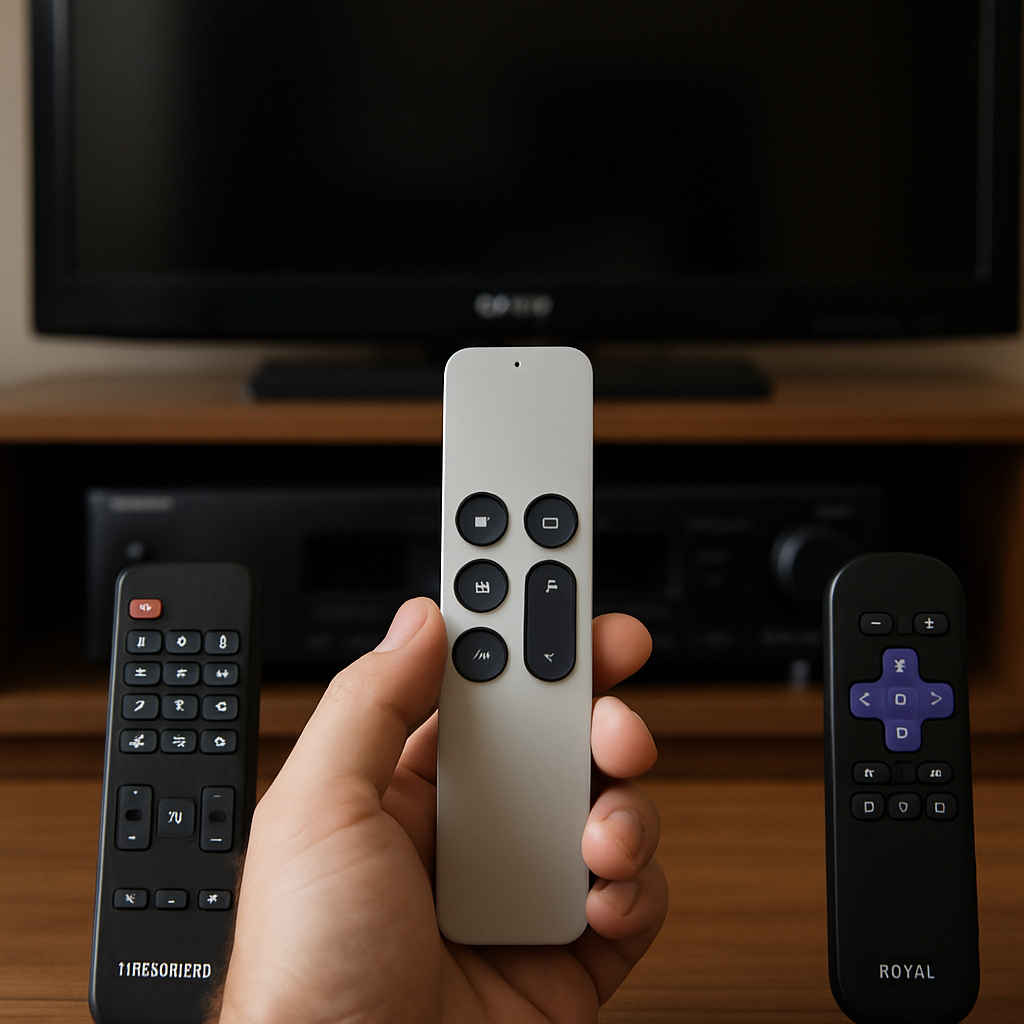
Immediate Solutions for Apple TV Remote Volume Issues
If your Apple TV remote volume is not working, you can usually resolve the problem quickly by addressing potential pairing errors, interference from other home devices like a Samsung receiver or Sony Bravia, or compatibility issues with devices such as Roku or universal controls. Start by checking your batteries and ensuring a clear path between the remote and your TV or receiver. If this does not restore volume control, follow these troubleshooting steps to get your Apple TV remote working at its best.
Common Problems Impacting Volume Control
It's important to identify what might be disrupting your Apple TV remote's volume function. Many users encounter conflicts when connecting the remote to a Samsung receiver or a Sony Bravia television. Confusion also arises when switching between set-top boxes, like Roku, or when using universal remotes instead of the original Apple TV controller. According to Deco TV Frames, pairing and compatibility issues can frequently impact remote responsiveness.
Other common issues include dead batteries, obstructions blocking the signal, or outdated firmware on your TV or streaming device. These factors may prevent the remote from communicating properly, meaning the device cannot receive volume commands. Keeping your home entertainment system up to date and free of physical barriers will help reduce these problems.
If your Apple TV remote is attempting to control multiple devices or operating in a room filled with various signals from smart home hubs, it may lose its link to your TV or connected receiver. This can force you to re-establish pairing or reset the remote to restore full operation.
Step-by-Step Instructions for Restoring Volume Control
To address Apple TV remote volume problems, begin by checking battery health and confirming that your remote is correctly paired to your TV or receiver. If you use a Samsung receiver or Sony Bravia, un-pair and re-pair your remote to target the right device. The process may involve holding pairing buttons, using specific menu commands, or temporarily disconnecting other remotes or universal controls.
You may also need to check that your TV or receiver is not set to mute or a volume lock mode, which could override Apple TV remote input. If you are using a Roku stick or similar smart box, make sure your HDMI-CEC setting is enabled on all connected devices, as this can allow the Apple TV remote to control volume through the TV or receiver.
According to Samsung Support, resetting the remote involves removing the batteries and pressing the Power button for several seconds. After reinserting the batteries, pair the remote to your Apple TV again and test the volume features. These steps are also effective when troubleshooting with third-party remotes on specific TVs.
Ensuring Compatibility with Samsung Receivers and Sony Bravia
If you own a Samsung receiver or Sony Bravia TV, verify that your Apple TV remote is configured to use the correct audio output device. Incompatible input settings or switching the HDMI ports can cause the volume commands to fail. Access your TV or receiver's settings menu and allocate the input to Apple's HDMI connection, then run a new device search or pairing sequence to guarantee a solid link.
In rare cases, your Apple TV may need a software update. Check for firmware or app updates across all devices in the chain, including your Apple TV, smart receiver, and any third-party gear. This will help eliminate communication glitches and keep your system running seamlessly. Refer to your device's user manual and Apple TV settings for a step-by-step update guide.
Troubles with Roku, Set-Top Boxes, and Other Smart Devices
Smart boxes like Roku and set-top units may sometimes hijack audio control, preventing the Apple TV remote from managing the TV or receiver volume directly. If you are running multiple devices through the same display, prioritize Apple TV as the default input and ensure HDMI-CEC is active. You may need to adjust the remote settings within the Apple TV under the "Remotes and Devices" section and select the proper control option for your external audio system.
Alternate streaming sticks, such as Firestick, can also interfere if connected simultaneously with your Apple TV. Disconnect unused devices, then test the remote's volume command for consistent performance. If you reconfigure your setup and experience a new issue, return to the settings menu to repeat the pairing and control selection steps.
Advanced Support and Preventative Measures
If you continue to experience problems after these steps, your remote or audio device may have a hardware malfunction. Contact Apple Support or consult the troubleshooting resources provided by your TV or receiver manufacturer for further guidance. It's also wise to replace batteries proactively and keep your remote firmware up to date to minimize recurring volume issues in the future.
For persistent compatibility or pairing challenges, consider using an Apple-certified universal remote, ensuring that all functions—including volume—are fully supported across your entire home entertainment network. Keeping your Apple TV remote clear of interference, physically and wirelessly, is the best way to maintain reliable volume control at all times.
If you follow these steps and leverage the provided support resources, you can quickly restore your Apple TV remote's volume control and enjoy uninterrupted streaming experiences on devices like Samsung receiver, Sony Bravia, or Roku-enabled displays.


Comments
Post a Comment