Samsung Tv Black Spot: Troubleshooting Vizio Light Blinking, Picture Settings, and Flickering Issues
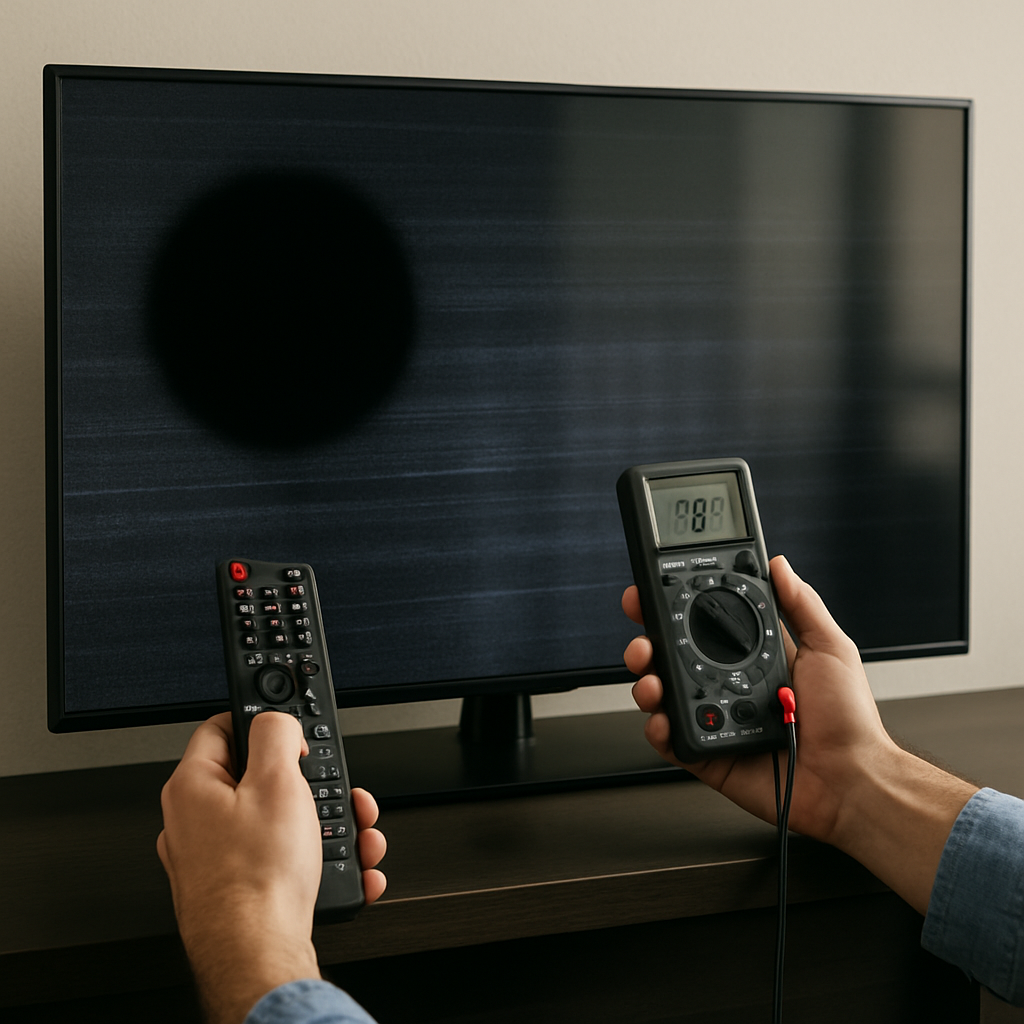
Identifying Black Spots and Light Blinking on Your Samsung TV
If you notice a black spot, flickering, or a blinking light on your Samsung TV, quick action is needed to diagnose and resolve the issue efficiently. These symptoms could point to backlight faults, remote command signals, or even picture settings anomalies. Addressing these issues early helps prevent further screen damage and ensures your TV delivers optimal performance. Below, you'll find a step-by-step guide to uncover the causes of black spots and address associated light blinking and picture inconsistencies, referencing information applicable across several TV brands such as Vizio and TCL for thorough troubleshooting.
Understanding Blinking Status Lights and Their Meanings
A blinking status light on your TV may mean various things depending on when and how it blinks. Commonly, a flickering or pulsing light can signal that your TV is accepting a remote command, updating software, or encountering an error. For example, on TCL Roku TVs, an indicator light will blink slowly when receiving updates or transitioning to standby (see TCL Support). If your Samsung displays similar behavior—especially repeated blinking with no response—it's possible the device needs to be restarted or reset.
To verify if a blinking light is an error notification or a normal indication, refer to your Samsung manual for light codes or search the manufacturer's support page. If the light remains on or starts blinking erratically while the TV is otherwise unresponsive, this may signify a deeper hardware issue or a software crash.
For Vizio and Samsung alike, consistent light blinking often overlaps with startup errors or standby mode. Carefully observe light patterns—they usually match specific diagnostic codes, helping you differentiate between a regular status indicator and a fault signal.
In cases where your TV is completely unresponsive except for a blinking light, it is wise to initiate a power cycle and check all electrical connections. This basic procedure solves many blinking-light-related problems before further disassembly is considered.
Diagnosing Black Spots on Samsung TVs
Black spots on your Samsung TV, particularly those appearing as dark circles, half-shadows, or patches, often point to a problem with the display's backlighting or pixel array. After verifying external connections and restarting your TV, inspect the affected area under ambient and darkened lighting. Use a flashlight to check if there are faint shapes or silhouettes visible through the dark spot. This method, also endorsed for TCL televisions on iFixit forums, helps determine if the LED or OLED backlight array is malfunctioning.
Sometimes, these blemishes are symptoms of localized backlight failure, meaning one or more light strips have stopped illuminating. In OLED or flat-panel screens, dark circles or black spots may also be due to permanent pixel burnout or liquid crystal leakage. In rare cases, debris trapped behind the panel can create visual anomalies; however, this usually presents as fixed rather than fluctuating spots.
It's important to rule out temporary software and settings issues before suspecting a physical defect. Resetting picture settings or performing a factory reset can sometimes remedy appearance issues caused by misconfigurations. If settings changes do not help, prepare for a potential panel repair or replacement.
Restoring Optimal Picture Settings to Reduce Dark Shadowing
Incorrect picture settings can exaggerate black spots and create misleading half-shadows or white patches on your TV's display. Access your TV's picture menu and select 'Reset Picture Settings' to restore factory defaults. Pay close attention to the brightness, contrast, and local dimming controls, as they directly affect how the TV illuminates dark regions on the screen. In some models, OLED and LED backlights may be individually adjustable; ensure no zones are inadvertently disabled.
For Samsung and similar TVs, using a properly calibrated picture mode such as 'Movie' or 'Standard' often prevents black spot magnification. On Vizio and TCL sets, similar adjustments can be accessed using in-menu controls. When making these changes, watch for immediate visual improvement after each tweak.
If you've recently made software updates or connected new HDMI devices, verify your input source is transmitting a compatible video signal. Incompatibilities with source content or cables can also manifest as flickering or random shadowing in parts of the screen.
Troubleshooting Flickering with Backlight and Connection Checks
Flickering is commonly linked to power supply fluctuations or failing LED strips. Start by unplugging your TV for a minute, then reconnect it to a reliable outlet as described in TCL's troubleshooting guide. Try different outlets and cables. If the issue persists, detach any external devices (like streaming boxes or soundbars) to isolate the problem.
If flickering is isolated to a specific source (HDMI, component, or antenna), replace that cable or switch inputs. If every source produces flickering or lights blink, consider internal hardware issues—particularly if accompanied by black spots. Continuing to use the TV with an unreliable backlight can lead to further screen degradation.
Should power cycling and cable swaps fail, it may be necessary to inspect the internal LED strips or seek assistance from a certified technician. Some users report fixing persistent flicker and dark patches by replacing defective LED strips, though this requires technical skill and invalidates warranties.
Rely on official support channels if advanced repairs are needed or if your TV remains under warranty. Manufacturer support pages offer additional guidance for advanced diagnostics and part replacements.
When to Contact Support or Consider Professional Repair
If all steps above do not resolve a black spot, continuous blinking, or flickering, document the issue with photos and detailed notes on when and how the symptoms appear. Check your warranty status, as panel or backlight replacements often exceed the cost of a new set. Use Samsung's official resources or reach out through their customer support portal for tailored repair options. For users with Vizio or TCL TVs experiencing comparable faults, their dedicated support pages, as seen in the links above, provide parallel solutions tailored to those brands.
In persistent cases—especially those involving visible white circles, unusual half-shadows, or display 'bugs'—professional diagnosis is recommended. Experienced technicians can safely replace backlights or mainboards as needed, ensuring your TV resumes normal function and your viewing experience is restored.
Careful adherence to the steps above ensures that users can isolate most causes of black spots, address light blinking, and enhance overall picture performance efficiently and safely.


Comments
Post a Comment